Key points at a glance
- The 14 major allergens listed in Annex II of the EU FIC Regulation (LMIV) must also be stated for unpackaged food and drinks (Art. 44 LMIV); § 4 LMIDV governs how.
- Allowed are a sign, the menu, a notice or an easily accessible electronic offer, in each case before the purchase.
- Verbal information only works with a written or electronic record of the ingredients that the authority and guests can see on request, plus a notice pointing to it.
- Additives such as colourings or preservatives have been governed by § 5 LMZDV since 2021 (formerly ZZulV); they are labelled through the same medium as the allergens.
- For online sales and delivery platforms, the details must be available before the order is completed (Art. 14 LMIV).
This post is general information and does not replace legal or tax advice. Rules change and some differ between federal states: check the details with your chamber of commerce (WKO) or IHK, the competent authority or your tax adviser.
Legal basis: LMIV, LMIDV and LMZDV
Three sets of rules work together. The EU Food Information to Consumers Regulation (FIC, in German LMIV, Regulation (EU) No 1169/2011) defines the 14 allergens and, in Art. 44, requires them to be stated for food that is not prepacked too. The German Lebensmittelinformations-Durchführungsverordnung (LMIDV) sets out in § 4 the form this must take. And the Lebensmittelzusatzstoff-Durchführungsverordnung (LMZDV) specifies in § 5 which additives must be named for unpackaged food.
| Rules | Governs | What it means for hospitality |
|---|---|---|
| LMIV, Art. 9, 14, 44 and Annex II | 14 allergens, distance selling, principle for loose goods | allergens must be available for every unpackaged dish and drink |
| LMIDV, § 4 | form of allergen information for loose goods | sign, menu, notice, electronic or verbal with records |
| LMZDV, § 5 | labelling of additives for loose goods | "mit Farbstoff" (with colouring), "mit Konservierungsstoff" (with preservative) and other details on the menu or sign |
| LFGB (food and feed code) | inspections, fines | inspections by the food control office of the district or independent city |
This affects every food business that supplies food to end consumers or provides mass catering: restaurants and pubs, cafés, bars, snack bars and food trucks, bakeries and pastry shops, canteens, caterers and hotels. Drinks count too, from beer with barley and wine with sulphites to a cappuccino with milk.
The 14 major allergens
Annex II LMIV lists these substances and products made from them. Germany has no official abbreviation system. Letters for allergens and numbers for additives are common, each with a key. Written-out short names are equally allowed.
- Cereals containing gluten such as wheat, rye, barley, oats and spelt
- Crustaceans, fish and molluscs such as mussels and squid
- Eggs and milk, including lactose
- Peanuts and tree nuts such as almonds, hazelnuts, walnuts, cashews and pistachios
- Soy, celery, mustard, sesame and lupin
- Sulphur dioxide and sulphites above 10 mg per kg or litre, for example in wine and dried fruit
Our tool Allergen labelling for the menu creates a ready-made key with letters, numbers or written-out names. You can then use the same codes on the menu, notices and website.
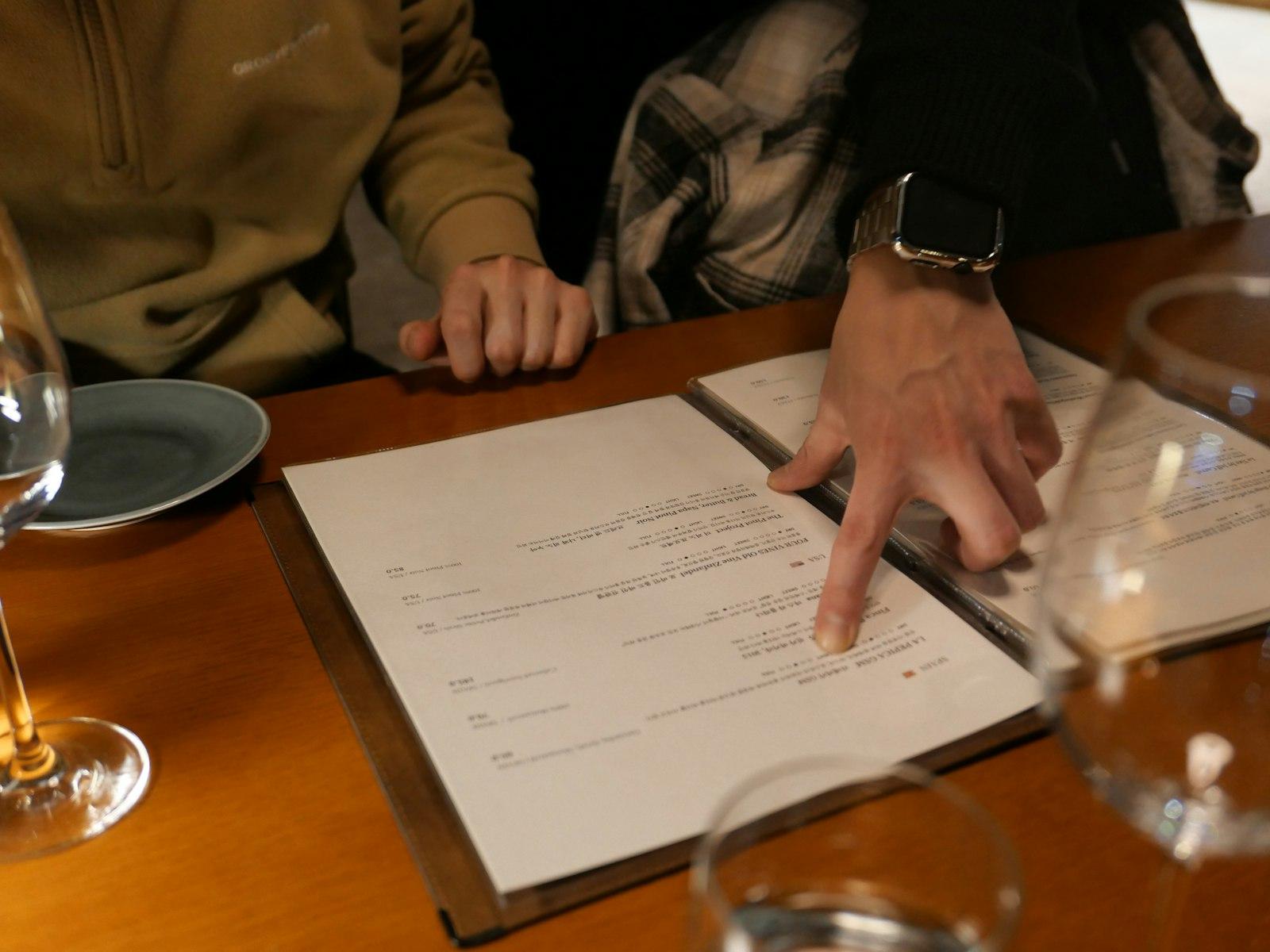
In writing, electronically or verbally: § 4 LMIDV
Under § 4 (3) LMIDV, the details must be clearly visible, distinct and easy to read, and available before the purchase is completed and before the food is handed over. They must not be hidden by other information or images. Allowed are:
| Form | Requirement | Suits |
|---|---|---|
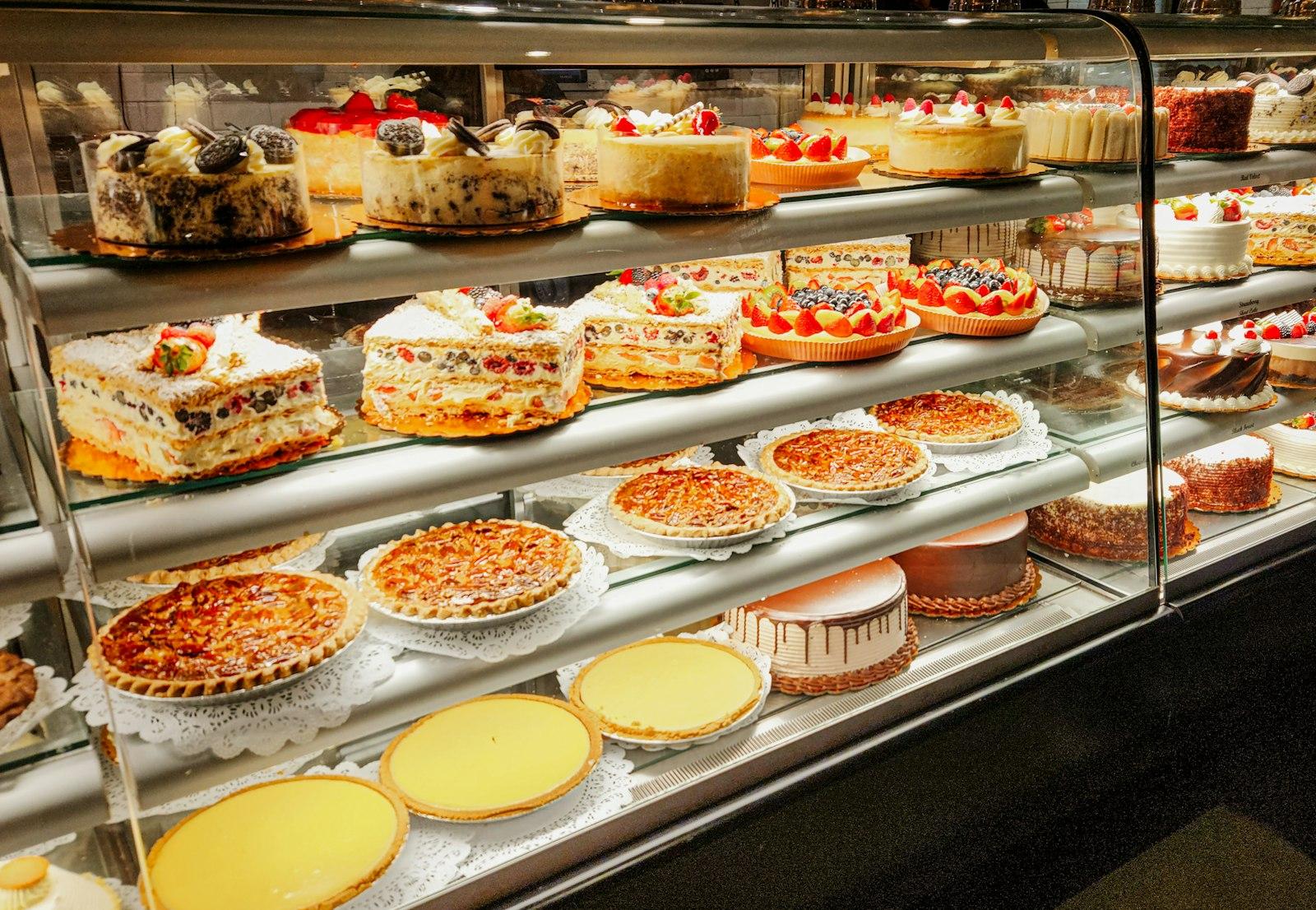
| Sign on or next to the food | clearly visible and legible | counter, display case, buffet, bakery |
| Food and drinks menu, price list | footnotes allowed if clearly highlighted next to the dish | restaurant, café, bar |
| Notice in the premises | clearly visible, assignable to the dish | Imbiss, food truck, daily menu |
| Written or electronic offer | directly and easily accessible, with a note on the product or a notice saying where to find it | allergen folder, tablet, digital menu via QR code |
| Verbally by the owner or trained staff | without delay on request, written or electronic record, notice pointing to it | changing daily specials, banquets, small menus |
For the verbal option, § 4 (4) LMIDV sets three conditions: the details are given on request without delay before the purchase, there is a written or electronic record of the ingredients used, and this record is easily accessible to the authority and, on request, to guests. In addition, a clear note on the food or a notice must state that the details are given verbally and that the record can be consulted.
Labelling additives: § 5 LMZDV
Besides allergens, Germany has a second labelling obligation for unpackaged food: certain additives. It used to be in § 9 of the Zusatzstoff-Zulassungsverordnung (ZZulV, the old additive approval regulation). Since June 2021 it has been governed by the Lebensmittelzusatzstoff-Durchführungsverordnung, so fact sheets that refer to the ZZulV are outdated. Under § 5 (2) LMZDV, the details are given in the same way and through the same medium as the allergens: if the allergens are on the menu, the additives belong there too.
| Additive | Prescribed wording (German) | Example |
|---|---|---|
| Colourings | "mit Farbstoff" | coloured sprinkles, cocktail cherries, soft drinks |
| Preservatives | "mit Konservierungsstoff" or "konserviert" | deli salads, sauces from bulk containers |
| Antioxidants | "mit Antioxidationsmittel" | ready-made products, fats |
| Nitrite curing salt and nitrate | "mit Nitritpökelsalz", "mit Nitrat" or both | ham, Leberkäse, sausages |
| Flavour enhancers | "mit Geschmacksverstärker" | seasoning mixes, stocks, Asian sauces |
| Phosphate in certain meat products | "mit Phosphat" | certain scalded sausages |
| Sweeteners | "mit Süßungsmittel(n)" | diet drinks, desserts |
| Aspartame | "enthält eine Phenylalaninquelle" (contains a source of phenylalanine) | diet soft drinks |
| Blackened olives, waxed fruit | "geschwärzt", "gewachst" | pizza olives, citrus peel |
In practice, additives on the menu are usually marked with numbers as footnotes, for example "Leberkäse¹ ³" with "1 = mit Konservierungsstoff, 3 = mit Nitritpökelsalz" below. Under § 5 (3) LMZDV, the details on colourings, preservatives and some other substances can be omitted if all additives are listed with their class name and name or E number in a notice, a written record or an electronic offer, and a note on the product or a notice points to it.
Imbiss, buffet, bakery and events
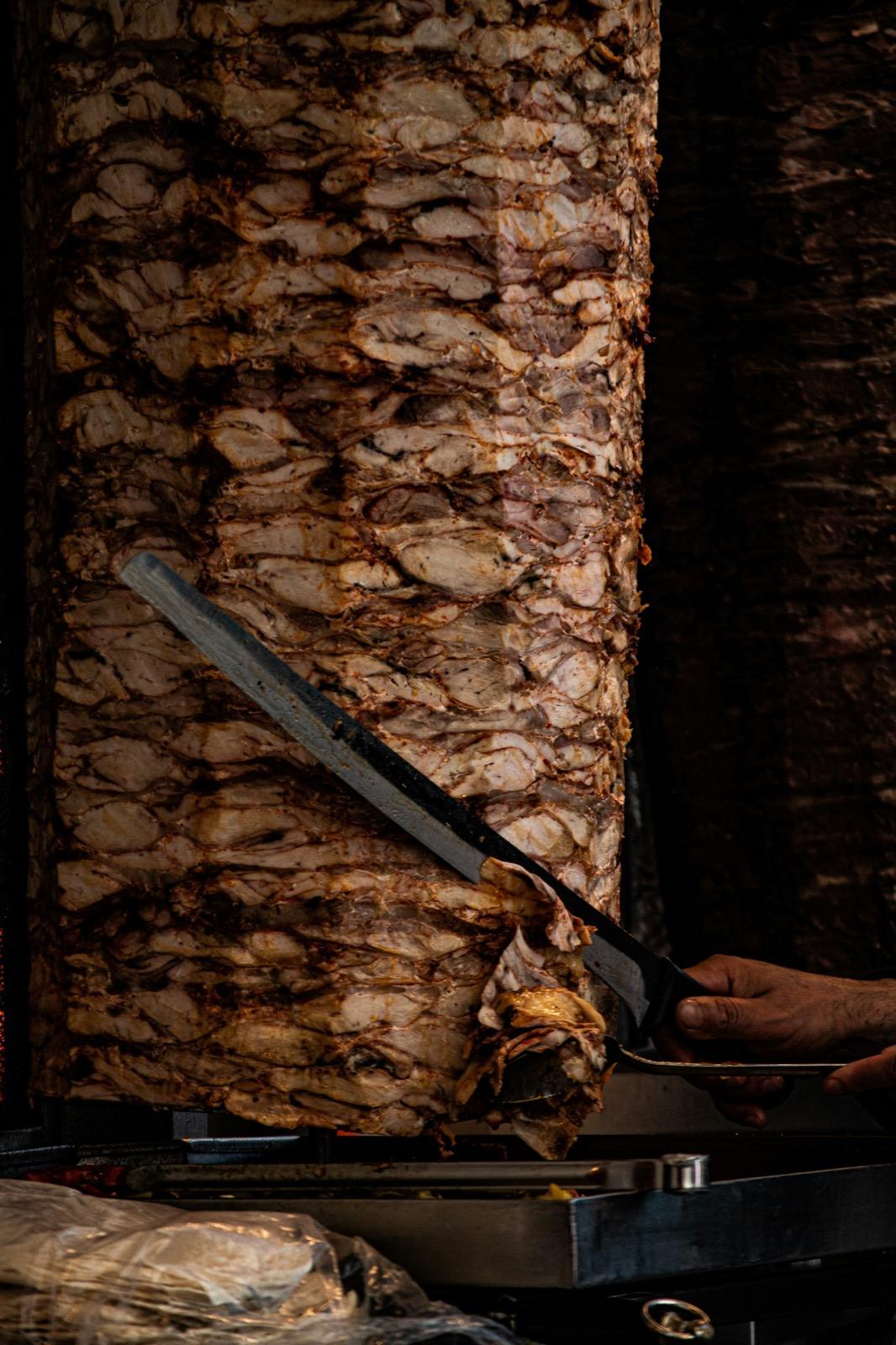
At a counter without a menu, a notice above the counter listing all dishes and codes works well. At a döner, burger or currywurst stand, sauces, bread and ready-made products are the most common sources of allergens and additives. At a buffet and in a bakery display case, small signs belong right next to the product. At banquets and catering, the information has to reach the guest, not just appear in the offer to the client. If you want to open an Imbiss, you will find further obligations in the guide Opening an Imbiss in Germany, and for cafés and bakeries in Opening a café in Germany.
How to get it right
- Keep a list of ingredients with allergens and additives for every dish
- Check the list of ingredients of the new product when you change supplier
- Keep codes consistent on the menu, notices, website and delivery platform
- Brief the team on who gives information and where the folder is
Better not
- A blanket "may contain traces of everything" instead of real information
- Keeping the record only in the office, which is locked in the evening
- Leaving out additives because they are "only in the ready-made sauce"
- Advertising dishes as allergen-free without safely ruling out cross-contact
Online menu, ordering and delivery platforms
Selling via your own website, by phone or through Lieferando, Wolt or Uber Eats is distance selling. Under Art. 14 LMIV, the details required for unpackaged food, meaning allergens and, under § 5 (2) LMZDV, additives too, must be available before the order is completed. A note saying "allergens on request in the restaurant" is not enough in the ordering process. Prices in the shop are governed by the Preisangabenverordnung (price indication regulation), see Price indications in Germany.
Your own ordering shop
Show allergens and additives with every dish, with the key on the same page. A downloadable PDF is harder to find.
Delivery platform
Fill in the allergen and additive fields in the partner portal. Responsibility for accuracy stays with you, not with the platform. More in the guide Delivery platforms.
Digital menu at the table
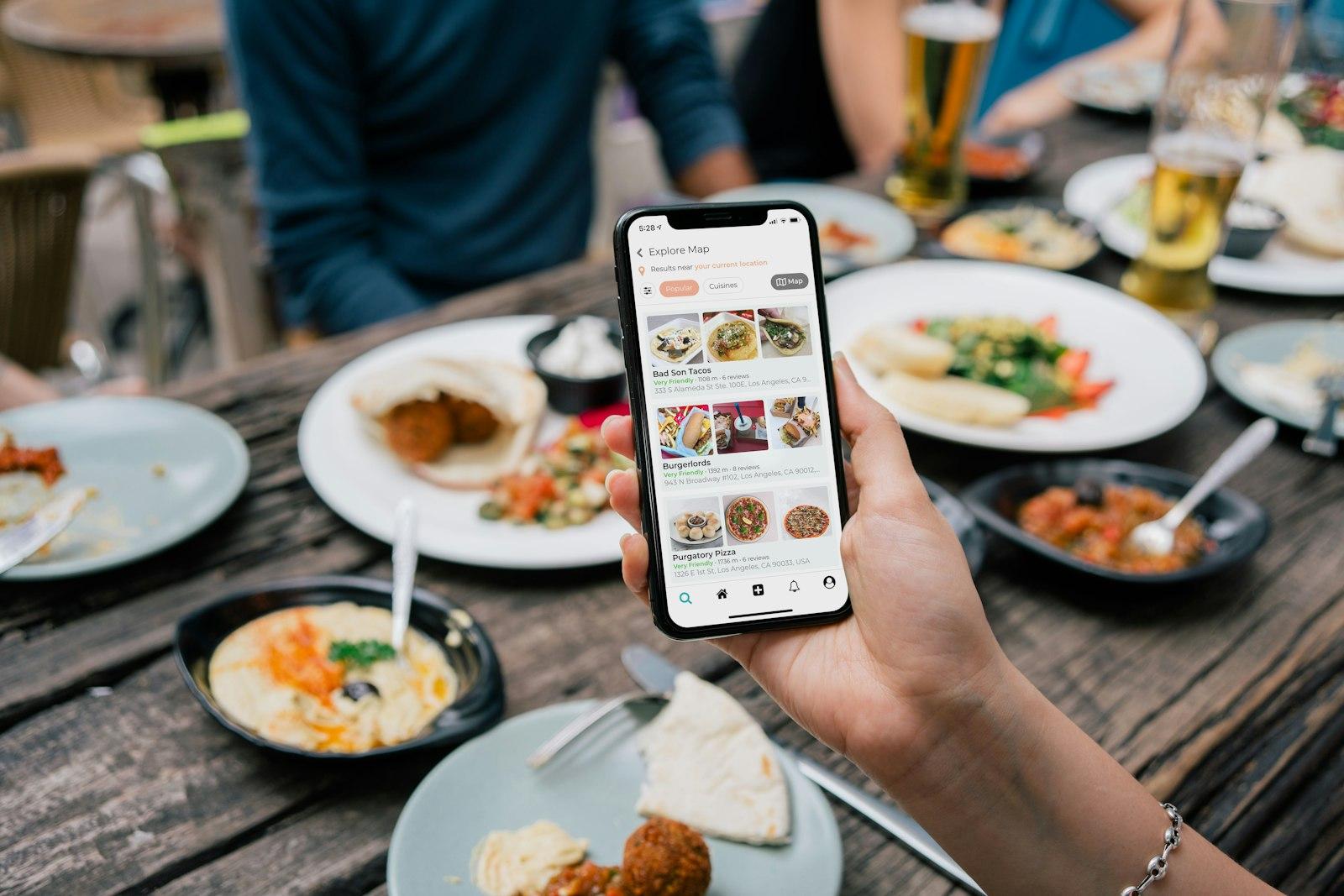
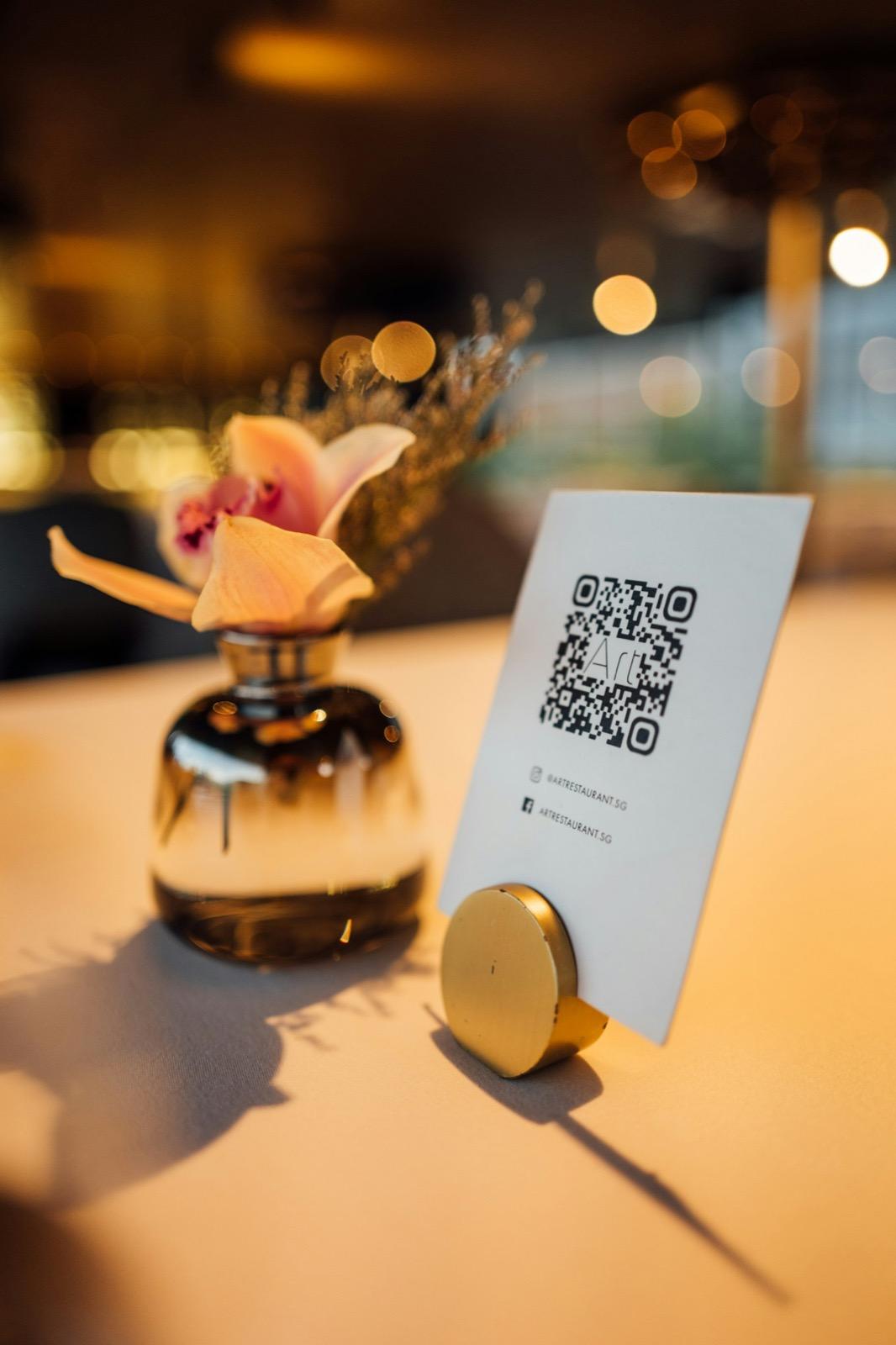
A digital menu via QR code is an electronic offer within the meaning of § 4 LMIDV if it is directly and easily accessible and a note shows where to find it. Keep a printed version for guests without a smartphone.
Phone orders
The team must be able to give the details before the order, based on the record. A reference to the website helps as well.
Create an allergen key
Choose the allergens in your kitchen and the style of the codes. The tool creates a key for your menu, notices and website, free and without sign-up.
Inspections and fines
The responsible body is the food control office of the district (Landkreis) or independent city. During inspections it checks whether the details are present and correct, whether the record for verbal information is at hand and whether additives are labelled. Incorrect or missing details can be punished as an administrative offence with a fine under the Lebensmittel- und Futtermittelgesetzbuch (LFGB, food and feed code), plus orders and follow-up inspections. Many offices provide their own fact sheets, so a call before opening is worth it.
Labelling for Germany
- Allergens identified and documented for every unpackaged dish and drink
- Additives checked under § 5 LMZDV, old ZZulV references replaced
- Format chosen: menu, sign, notice, electronic or verbal with records
- Key clearly visible and matching the codes on the menu
- For verbal information: notice in place, record always at hand
- Ordering shop and delivery platforms show the details before the order
Your menu online, allergens included
With Meine-Gastro-Website you manage dishes, prices, allergens and additives in one place, for your website and notices. See your preview for free.
A free preview of your venue website, designed by us.